In the villages of the Central Highlands, gongs are far more than musical instruments. For the Ede, M’nong and other peoples of the region, they are a voice that links the living with their ancestors and the spirits. In 2005 UNESCO recognised the Space of Gong Culture of the Central Highlands as a Masterpiece of the Oral and Intangible Heritage of Humanity, and it is now on UNESCO’s Representative List of the Intangible Cultural Heritage of Humanity.
What the Gongs Are
A gong set is made of bronze gongs of different sizes, some flat and some with a raised boss in the centre. Each player usually holds or strikes one gong, and together they create layered rhythms and melodies. A set is often a family treasure, passed down for generations and valued like land or buffalo.
Gongs in Village Life
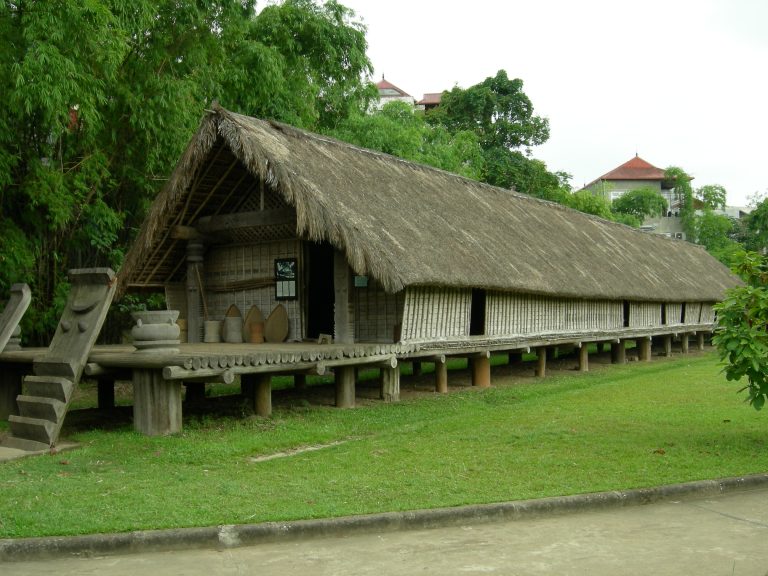
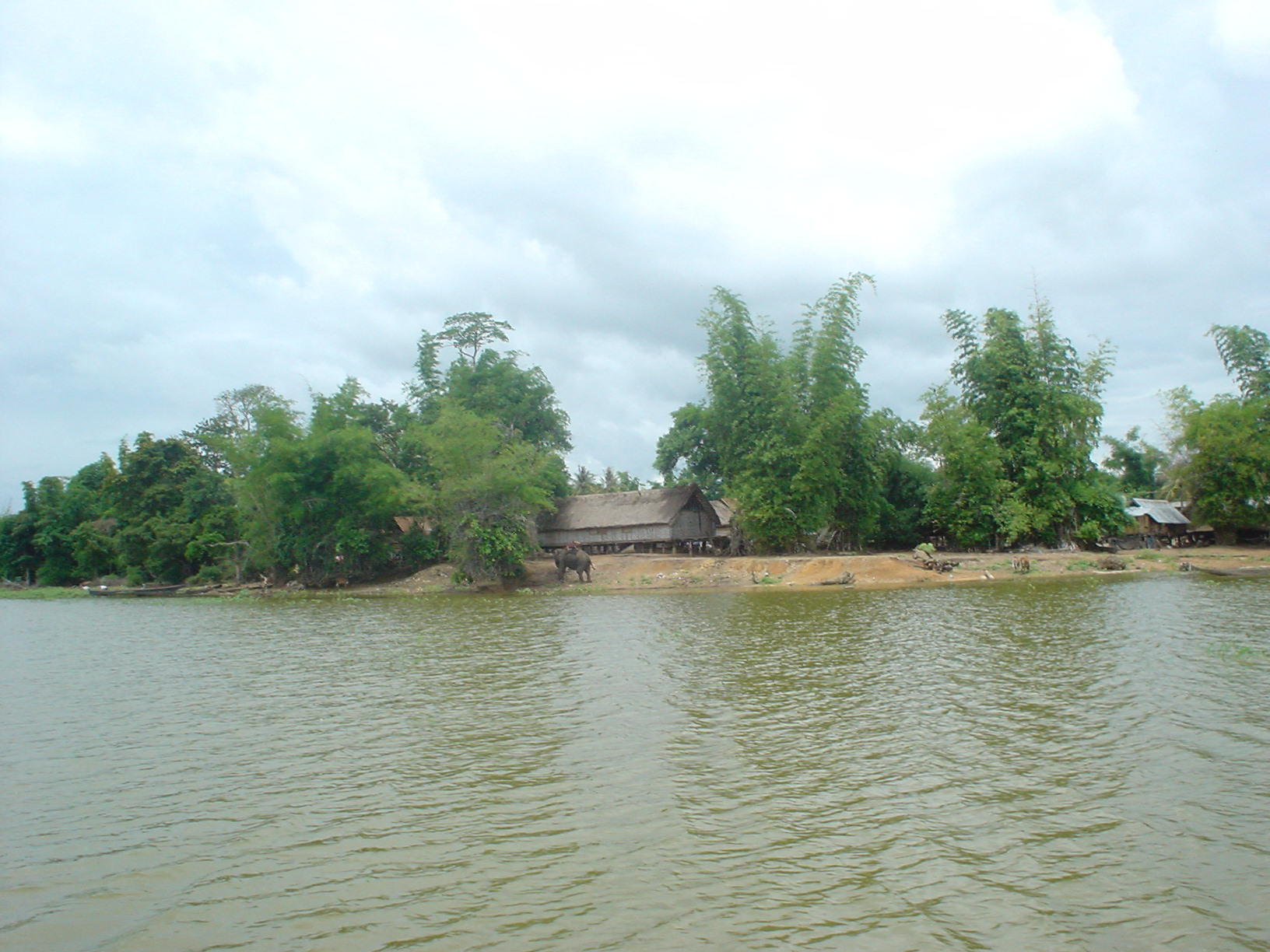
Gongs are played at the important moments of life: a new rice harvest, the building of a new house, a wedding, a funeral and the ceremony to leave a grave. The music, the dancing in a circle and the shared jar of rice wine are all part of the same ritual. The space of gong culture means the whole of this: the players, the instruments, the longhouses, the forests and the festivals.
A Living Tradition
As village life changes, fewer young people learn to play, and many old gong sets have been sold. Communities, artisans and local authorities in Dak Lak work to keep the tradition alive through village clubs, classes and festivals.
Where to Hear Gong Music
- Village festivals, mostly in the dry season after the harvest
- Cultural events in Buon Ma Thuot, including during the coffee festival in some years
- Gong performances that can be arranged with village groups around Lak Lake and Buon Ma Thuot; ask us when you book
Gongs are sacred objects. Do not touch or play them unless you are invited to.